
International Conference on Oceanic Carbon Cycling and Climate Sensitivity
ICOCCCS
Official Invitation Letter Available
An official invitation letter will be provided upon successful registration for your participation in the conference.
Benefits of Registering as Listener
Access to All Conference Sessions
Plenary, keynote and parallel sessions
Networking Opportunities
Connect with global educators & researchers
Certificate of Participation
Digital certificate of participation
Invitation Letter Support
Official invitation letter after successful registration
Conference Kit / Digital Materials
E-proceedings & resource materials
Access to Keynote Sessions
Learn from leading experts & scholars
Conference Session Tracks
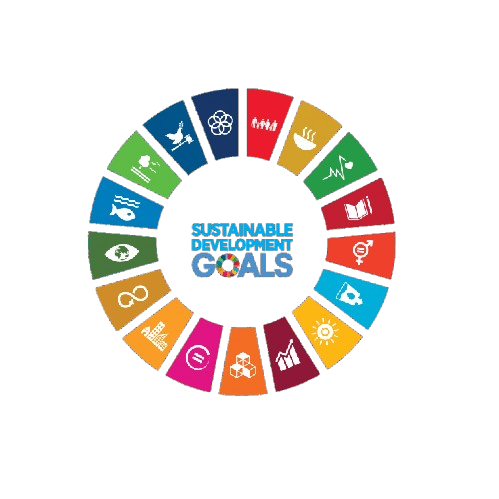
Aligned with UN Sustainable Development Goals
The conference's session tracks effectively support the following SDGs.

This track focuses on the fundamental processes governing oceanic carbon cycling, including the role of physical and biological interactions. Researchers are invited to present studies on carbon fluxes, sequestration, and the dynamics of marine carbon sinks.
SDG 13
SDG 14
This session will explore the sensitivity of oceanic systems to climate change and the resulting feedback mechanisms. Contributions that analyze how these interactions influence global climate patterns are encouraged.
SDG 13
SDG 15
This track examines the complex biogeochemical fluxes that occur within marine ecosystems. Presentations should address the interactions between biological activity and chemical processes that affect carbon cycling.
SDG 14
SDG 15
This session will delve into the relationship between primary productivity and carbon dynamics in oceanic systems. Researchers are invited to share insights on how productivity influences carbon sequestration and ecosystem health.
SDG 14
SDG 15
This track focuses on the critical processes involved in the exchange of carbon between the ocean and atmosphere. Studies that investigate the implications of these exchanges for climate sensitivity are particularly welcome.
SDG 13
SDG 15
This session will highlight innovative modeling approaches to assess carbon budgets in oceanic environments. Contributions that integrate observational data with predictive models are encouraged.
SDG 9
SDG 13
This track will explore how marine ecosystems respond to various climate impacts, including changes in temperature, acidity, and nutrient availability. Presentations should focus on resilience and adaptation strategies in marine biomes.
SDG 13
SDG 15
This session will investigate the interactions between marine biogeochemistry and climate systems. Researchers are invited to present findings that elucidate the role of biogeochemical processes in climate regulation.
SDG 13
SDG 14
This track aims to dissect the various pathways through which carbon is cycled in oceanic ecosystems. Studies that trace the movement and transformation of carbon compounds are particularly relevant.
SDG 14
SDG 15
This session will showcase cutting-edge techniques and methodologies used in ocean chemistry research. Contributions that enhance our understanding of chemical processes affecting carbon cycling are encouraged.
SDG 9
SDG 14
This track emphasizes the importance of integrative approaches in understanding oceanic carbon cycling. Researchers are invited to present interdisciplinary studies that bridge physical, chemical, and biological aspects of oceanography.
SDG 13
SDG 14