International Conference on Surface Hydrology and Ecohydrological Transitions
ICSHET
Official Invitation Letter Available
An official invitation letter will be provided upon successful registration for your participation in the conference.
Benefits of Registering as Listener
Access to All Conference Sessions
Plenary, keynote and parallel sessions
Networking Opportunities
Connect with global educators & researchers
Certificate of Participation
Digital certificate of participation
Invitation Letter Support
Official invitation letter after successful registration
Conference Kit / Digital Materials
E-proceedings & resource materials
Access to Keynote Sessions
Learn from leading experts & scholars
Conference Session Tracks
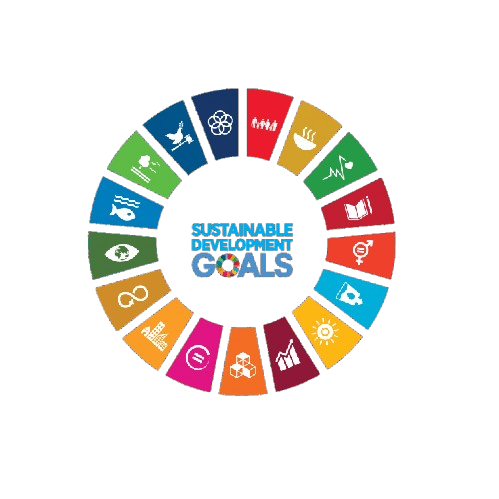
Aligned with UN Sustainable Development Goals
The conference's session tracks effectively support the following SDGs.

This track focuses on the latest advancements in hydrological modeling techniques and their applications in understanding watershed dynamics. Participants will explore both theoretical frameworks and practical implementations that enhance predictive capabilities in surface hydrology.
SDG 6
SDG 13
This session examines the interplay between ecological processes and hydrological changes within watersheds. Discussions will highlight strategies for integrating ecological considerations into watershed management practices.
SDG 15
This track investigates the role of hydrological connectivity in shaping ecosystem functions and services. Presentations will cover case studies that illustrate the impacts of connectivity on biodiversity and water quality.
SDG 14
SDG 15
This session delves into the complexities of water balance in relation to land-surface interactions. Researchers will present findings on how land use changes influence hydrological cycles and ecosystem health.
SDG 6
SDG 15
This track focuses on the dynamics of riverine processes and their implications for environmental sustainability. Topics will include sediment transport, nutrient cycling, and the effects of anthropogenic activities on river systems.
SDG 6
SDG 14
This session explores the critical interactions between soil properties and water movement within hydrological systems. Presentations will address the implications of these interactions for agricultural practices and ecosystem management.
SDG 2
SDG 15
This track examines the mechanisms driving surface runoff and its implications for water resource management. Participants will discuss innovative strategies for mitigating runoff impacts in urban and rural settings.
SDG 6
SDG 11
This session highlights the latest technologies and methodologies for hydrological monitoring. Emphasis will be placed on remote sensing, in-situ measurements, and data integration for improved hydrological assessments.
SDG 9
SDG 13
This track addresses the effects of climate change on catchment hydrodynamics and water availability. Researchers will present findings on adaptive management practices to enhance resilience in water systems.
SDG 13
SDG 15
This session focuses on the dynamics of water within ecosystems and their resilience to environmental changes. Discussions will include the role of water in maintaining ecosystem integrity and function.
SDG 6
SDG 15
This track explores the feedback mechanisms between hydrology and ecosystems in the context of environmental change. Presentations will highlight research that elucidates these complex interactions and their implications for sustainability.
SDG 13
SDG 15