
International Conference on Comparative Islamic Studies
ICPIS
Official Invitation Letter Available
An official invitation letter will be provided upon successful registration for your participation in the conference.
Benefits of Registering as Listener
Access to All Conference Sessions
Plenary, keynote and parallel sessions
Networking Opportunities
Connect with global educators & researchers
Certificate of Participation
Digital certificate of participation
Invitation Letter Support
Official invitation letter after successful registration
Conference Kit / Digital Materials
E-proceedings & resource materials
Access to Keynote Sessions
Learn from leading experts & scholars
Conference Session Tracks
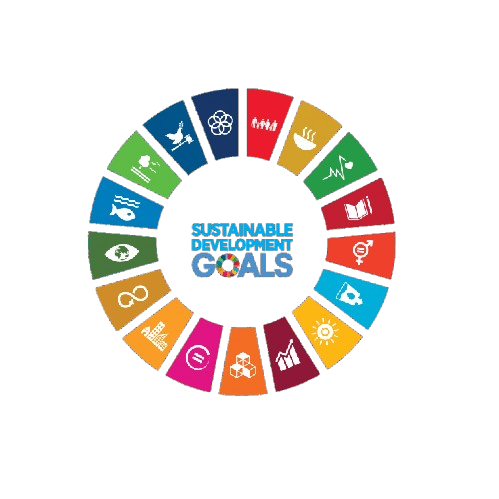
Aligned with UN Sustainable Development Goals
The conference's session tracks effectively support the following SDGs.


This track explores various theological frameworks within Islamic thought, emphasizing comparative methodologies. Participants are encouraged to analyze the intersections and divergences among different Islamic theological traditions.
SDG 4
SDG 16
This session focuses on the role of interfaith dialogue in fostering understanding and cooperation among diverse religious communities. Papers will examine case studies and theoretical frameworks that highlight successful interfaith initiatives.
SDG 10
SDG 16
This track investigates the evolution of Islamic philosophy through historical lenses, tracing its impact on contemporary thought. Scholars are invited to discuss key philosophers and their contributions to the broader philosophical discourse.
SDG 4
SDG 16
This session examines the diverse cultural expressions of Islam across different regions and historical contexts. Contributions will highlight how culture shapes and is shaped by Islamic practices and beliefs.
SDG 11
SDG 16
This track delves into the ethical frameworks present in Islamic teachings and their implications for contemporary moral dilemmas. Participants will explore how Islamic ethics can inform discussions on global issues.
SDG 3
SDG 16
This session invites scholars to present innovative methodologies in the comparative study of religions, focusing on Islamic perspectives. Papers will address both theoretical and practical aspects of comparative religious studies.
SDG 4
SDG 16
This track focuses on the narratives that shape Islamic history and the various interpretations that arise from them. Scholars are encouraged to critically engage with historical texts and their contemporary relevance.
SDG 4
SDG 16
This session explores the multifaceted roles of women in Islamic societies throughout history and in contemporary contexts. Papers will analyze social, cultural, and religious factors influencing women's status and agency.
SDG 5
SDG 10
This track examines the interactions between Islamic thought and modernity, focusing on how contemporary issues are addressed within Islamic frameworks. Scholars will discuss the challenges and opportunities presented by modernity in Islamic contexts.
SDG 4
SDG 16
This session investigates the concept of religious pluralism within Islamic traditions and its implications for social cohesion. Contributions will address historical and contemporary examples of pluralism in Islamic societies.
SDG 10
SDG 16
This track aims to explore the synergies between Islamic studies and various social science disciplines. Participants will discuss how interdisciplinary approaches can enrich the understanding of Islamic phenomena in social contexts.
SDG 4
SDG 16