
International Conference on Environmental Sociology and Climate Action
ICESCA
Official Invitation Letter Available
An official invitation letter will be provided upon successful registration for your participation in the conference.
Benefits of Registering as Listener
Access to All Conference Sessions
Plenary, keynote and parallel sessions
Networking Opportunities
Connect with global educators & researchers
Certificate of Participation
Digital certificate of participation
Invitation Letter Support
Official invitation letter after successful registration
Conference Kit / Digital Materials
E-proceedings & resource materials
Access to Keynote Sessions
Learn from leading experts & scholars
Conference Session Tracks
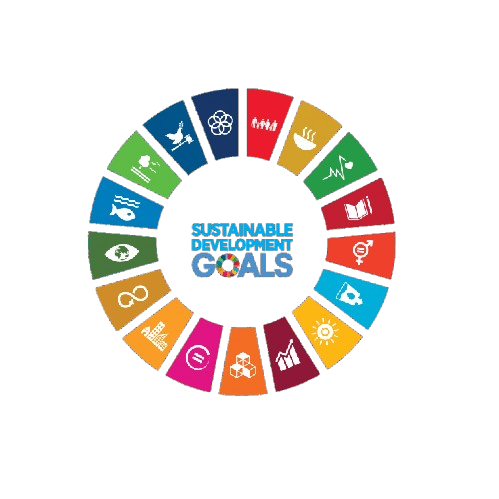
Aligned with UN Sustainable Development Goals
The conference's session tracks effectively support the following SDGs.




This track explores how anthropological frameworks can enhance our understanding of climate change impacts on diverse cultures. It aims to highlight the role of local knowledge and practices in shaping climate action strategies.
SDG 13
SDG 15
This session focuses on the dynamics of social movements advocating for environmental justice and sustainability. It examines the strategies, successes, and challenges faced by these movements in various sociopolitical contexts.
SDG 10
SDG 16
This track investigates the interplay between social change and ecological sustainability, emphasizing how societal transformations can drive environmental stewardship. Papers will analyze case studies that illustrate successful sustainable practices within communities.
SDG 11
SDG 12
This session addresses the intersection of climate policy and social equity, exploring how policies can be designed to promote fairness and justice. It invites discussions on the implications of climate action for marginalized communities.
SDG 1
SDG 5
This track examines the adaptive strategies employed by communities facing the challenges of global warming. It seeks to identify best practices and lessons learned from grassroots initiatives aimed at enhancing resilience.
SDG 11
SDG 13
This session focuses on the role of renewable energy technologies in fostering social innovation and community empowerment. It will highlight case studies that demonstrate the social benefits of transitioning to sustainable energy sources.
SDG 7
SDG 9
This track explores the social dimensions of sustainability transitions, including the cultural, economic, and political factors that influence these processes. Papers will discuss frameworks for understanding how societies can effectively transition to sustainable practices.
SDG 8
SDG 12
This session delves into the principles of eco-sociology and their application to environmental justice issues. It aims to foster discussions on how sociological insights can inform equitable environmental policies.
SDG 10
SDG 16
This track focuses on the importance of community engagement in effective resource management practices. It will explore collaborative approaches that empower local populations to manage their natural resources sustainably.
SDG 11
SDG 17
This session examines the role of social movements in driving climate action at local, national, and global levels. It will analyze the effectiveness of various advocacy strategies and the impact of collective action on policy change.
SDG 13
SDG 16
This track encourages interdisciplinary dialogue among scholars from various fields related to environmental sociology. It aims to foster collaborative research that addresses complex environmental challenges through diverse theoretical lenses.
SDG 4
SDG 17