
International Conference on Feminism, Class and Work
ICFCW
Official Invitation Letter Available
An official invitation letter will be provided upon successful registration for your participation in the conference.
Benefits of Registering as Listener
Access to All Conference Sessions
Plenary, keynote and parallel sessions
Networking Opportunities
Connect with global educators & researchers
Certificate of Participation
Digital certificate of participation
Invitation Letter Support
Official invitation letter after successful registration
Conference Kit / Digital Materials
E-proceedings & resource materials
Access to Keynote Sessions
Learn from leading experts & scholars
Conference Session Tracks
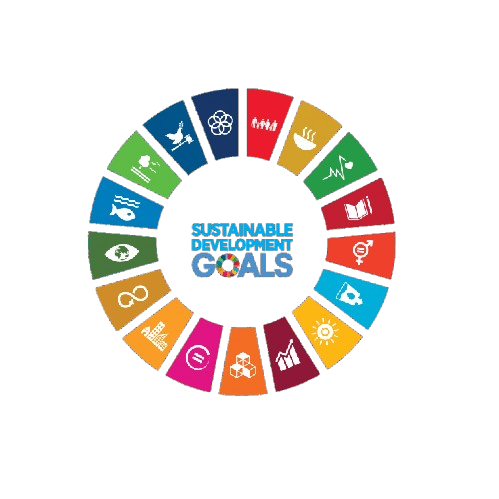
Aligned with UN Sustainable Development Goals
The conference's session tracks effectively support the following SDGs.

This track explores the intersections of Marxist theory and human nature within the context of higher education. It aims to analyze how these concepts influence educational structures and the experiences of marginalized groups.
SDG 4
SDG 5
This session focuses on Marxist-Feminist analyses of educational labor and its implications for gender equity in higher education. Participants will discuss the role of educational institutions in perpetuating or challenging gendered labor divisions.
SDG 5
SDG 10
This track delves into first and second wave feminist analyses of women's work, particularly in educational settings. It seeks to uncover the historical narratives that have shaped contemporary understandings of women's roles in academia.
SDG 4
SDG 8
This session examines the implications of the public/private split in higher education and its impact on gender dynamics. Discussions will focus on how this divide affects women's participation and representation in academic spaces.
SDG 5
SDG 10
This track investigates psychological theories related to women's work experiences in higher education. It aims to highlight how psychological frameworks can inform our understanding of gendered labor practices.
SDG 3
SDG 4
This session addresses the ethical considerations surrounding women's caring work within higher education. Participants will explore the moral implications of caregiving roles and their recognition in academic environments.
SDG 3
SDG 5
This track contrasts modernist and postmodernist feminist theories in the context of higher education. It encourages critical discussions on how these theoretical frameworks shape educational policies and practices.
SDG 4
SDG 10
This session focuses on race, class, and intersectional feminist analyses within higher education. It aims to explore how these intersecting identities influence educational access and outcomes for women.
SDG 4
SDG 5
This track examines the dynamics of workplace relationships and their impact on gender equity in higher education. Discussions will focus on power structures and their effects on women's career advancement.
SDG 5
SDG 10
This session explores the role of feminist pedagogy in shaping curriculum development in higher education. Participants will discuss strategies for integrating feminist perspectives into teaching practices.
SDG 4
SDG 10
This track invites discussions on global feminist perspectives and their implications for higher education. It seeks to understand how cultural contexts influence feminist theories and practices in educational settings.
SDG 4
SDG 10