International Conference on Coastal and Open Ocean Biogeochemistry
ICOCOB
Official Invitation Letter Available
An official invitation letter will be provided upon successful registration for your participation in the conference.
Benefits of Registering as Listener
Access to All Conference Sessions
Plenary, keynote and parallel sessions
Networking Opportunities
Connect with global educators & researchers
Certificate of Participation
Digital certificate of participation
Invitation Letter Support
Official invitation letter after successful registration
Conference Kit / Digital Materials
E-proceedings & resource materials
Access to Keynote Sessions
Learn from leading experts & scholars
Conference Session Tracks
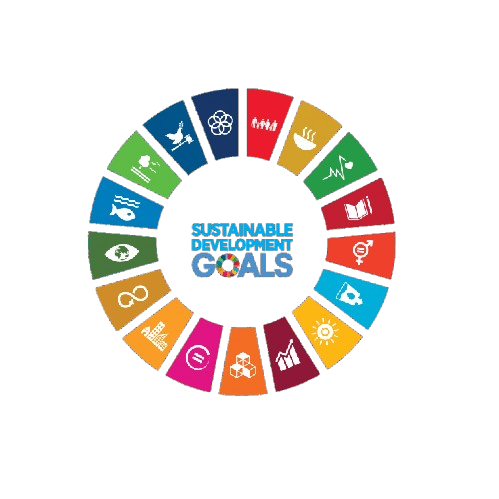
Aligned with UN Sustainable Development Goals
The conference's session tracks effectively support the following SDGs.
This track focuses on the dynamics of nutrient cycling in coastal environments, emphasizing the roles of nitrogen, phosphorus, and other essential elements. Researchers are invited to present studies that elucidate the interactions between biogeochemical processes and coastal productivity.
SDG 14
SDG 15
This session will explore the mechanisms of carbon flux in both coastal and open ocean systems, particularly in the context of climate change. Contributions should address how alterations in carbon dynamics impact marine ecosystems and global carbon budgets.
SDG 13
This track highlights the critical role of microbial communities in biogeochemical cycles, including their influence on nutrient transformations and organic matter degradation. Presentations should focus on innovative methodologies to study microbial processes in marine environments.
SDG 14
SDG 15
This session will investigate the interactions between sediments and overlying water in shaping biogeochemical processes. Topics may include sediment nutrient release, microbial activity in sediments, and the implications for coastal and open ocean ecosystems.
SDG 14
SDG 15
This track emphasizes the use of chemical tracers to understand oceanographic processes and biogeochemical dynamics. Researchers are encouraged to present findings that utilize tracers to investigate nutrient sources, transport mechanisms, and ecosystem responses.
SDG 14
This session will focus on methodologies and technologies for monitoring environmental changes in marine ecosystems. Contributions should address the implications of monitoring data for understanding biogeochemical processes and ecosystem health.
SDG 14
SDG 15
This track invites presentations on the development and application of biogeochemical models to predict nutrient cycling and ecosystem responses. Emphasis will be placed on integrating observational data with modeling efforts to enhance understanding of marine biogeochemistry.
SDG 13
SDG 15
This session will explore the interactions between the ocean and atmosphere, particularly in relation to gas exchange and its implications for biogeochemical cycles. Studies should address the role of these exchanges in climate regulation and marine productivity.
SDG 13
This track focuses on the sources, composition, and fate of dissolved organic matter in marine environments. Presentations should highlight the role of dissolved organic matter in nutrient cycling and its impact on microbial processes.
SDG 14
This session will investigate areas of high biogeochemical activity, often referred to as hotspots, and their significance in marine ecosystems. Contributions should explore the factors that contribute to hotspot formation and their ecological implications.
SDG 14
SDG 15
This track examines the relationships between trophic interactions and biogeochemical processes in marine ecosystems. Researchers are invited to present studies that link food web dynamics to nutrient cycling and ecosystem health.
SDG 14
SDG 15