
International Conference on Nanomaterials Synthesis and Engineering Applications
ICNSEA
Official Invitation Letter Available
An official invitation letter will be provided upon successful registration for your participation in the conference.
Benefits of Registering as Listener
Access to All Conference Sessions
Plenary, keynote and parallel sessions
Networking Opportunities
Connect with global educators & researchers
Certificate of Participation
Digital certificate of participation
Invitation Letter Support
Official invitation letter after successful registration
Conference Kit / Digital Materials
E-proceedings & resource materials
Access to Keynote Sessions
Learn from leading experts & scholars
Conference Session Tracks
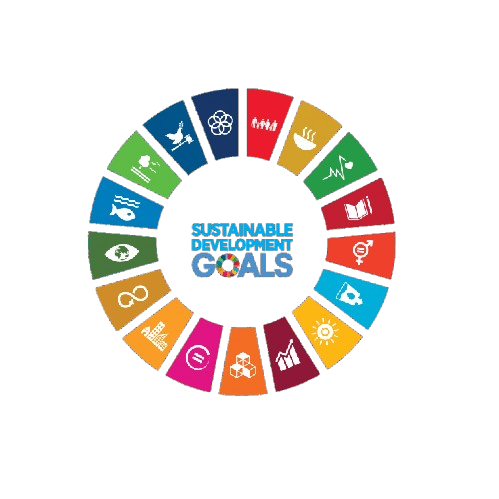
Aligned with UN Sustainable Development Goals
The conference's session tracks effectively support the following SDGs.


This track focuses on the latest innovations in chemical vapor deposition methods for nanomaterials synthesis. Researchers will present their findings on optimizing deposition parameters to enhance material properties.
SDG 9
SDG 12
This session explores the sol-gel process as a versatile technique for fabricating nanostructured materials. Contributions will highlight the chemical mechanisms involved and their implications for various engineering applications.
SDG 9
SDG 12
This track delves into hydrothermal synthesis methods for producing nanomaterials with unique properties. Discussions will include process optimization and the characterization of resulting materials.
SDG 9
SDG 12
This session addresses various fabrication techniques for nanoparticles, including both top-down and bottom-up approaches. Participants will share insights on achieving desired size, shape, and functionality.
SDG 9
SDG 12
This track focuses on the engineering of nanocrystals to improve their performance in applications such as catalysis and electronics. Presentations will cover design strategies and characterization techniques.
SDG 9
SDG 12
This session examines the principles of self-assembly in nanomaterials and its potential applications in nanotechnology. Researchers will discuss novel approaches to harness self-assembly for material design.
SDG 9
SDG 12
This track highlights environmentally friendly methods for synthesizing nanomaterials, emphasizing sustainability in nanotechnology. Presentations will showcase innovative techniques that minimize ecological impact.
SDG 12
SDG 13
This session addresses the challenges faced in nanoscale materials engineering and explores potential solutions. Discussions will include material stability, scalability, and integration into existing technologies.
SDG 9
SDG 12
This track focuses on advanced characterization techniques essential for understanding the properties of nanomaterials. Researchers will present methodologies that enhance the analysis of nanoscale structures.
SDG 9
SDG 12
This session explores the development of functional nanomaterials tailored for specific engineering applications. Contributions will highlight case studies and innovative uses in fields such as energy and medicine.
SDG 7
SDG 9
This track investigates the design and application of quantum nanostructures in various technological domains. Presentations will cover theoretical models, experimental results, and potential future applications.
SDG 9
SDG 12