
International Conference on Water Cycle Science and Climate Interaction
ICWCSCI
Official Invitation Letter Available
An official invitation letter will be provided upon successful registration for your participation in the conference.
Benefits of Registering as Listener
Access to All Conference Sessions
Plenary, keynote and parallel sessions
Networking Opportunities
Connect with global educators & researchers
Certificate of Participation
Digital certificate of participation
Invitation Letter Support
Official invitation letter after successful registration
Conference Kit / Digital Materials
E-proceedings & resource materials
Access to Keynote Sessions
Learn from leading experts & scholars
Conference Session Tracks
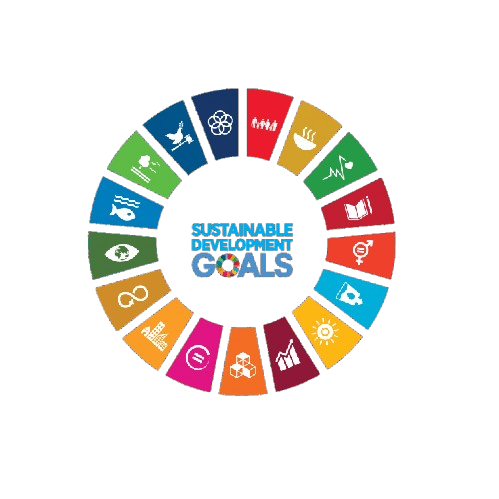
Aligned with UN Sustainable Development Goals
The conference's session tracks effectively support the following SDGs.

This track focuses on the latest advancements in hydrological modeling techniques and their applications in understanding water cycle dynamics. Contributions that explore the interactions between precipitation, evapotranspiration, and runoff are particularly encouraged.
SDG 6
SDG 13
This session aims to explore the multifaceted impacts of climate change on water resources and hydrological systems. Papers that assess changes in water availability, quality, and distribution due to climate variability are welcome.
SDG 13
SDG 15
This track addresses the critical aspects of groundwater recharge processes and sustainable management practices. Research that evaluates innovative techniques for groundwater conservation and replenishment is highly sought after.
SDG 6
SDG 15
This session examines the interconnections between ecosystem services and water balance within various landscapes. Contributions that highlight the role of ecosystems in regulating water cycles and enhancing resilience to climate change are encouraged.
SDG 6
SDG 15
This track showcases cutting-edge monitoring technologies and methodologies for studying the water cycle. Papers that present novel approaches to data collection and analysis in hydrology are particularly welcome.
SDG 9
SDG 13
This session focuses on the development and application of predictive modeling techniques in hydrological research. Contributions that demonstrate the utility of models in forecasting water-related phenomena are encouraged.
SDG 9
SDG 13
This track explores the role of governance and policy frameworks in managing water resources sustainably. Papers that analyze the effectiveness of existing policies and propose innovative governance models are highly encouraged.
SDG 6
SDG 16
This session examines adaptation strategies aimed at enhancing resilience in water resource management under changing climatic conditions. Contributions that discuss practical solutions and case studies are particularly welcome.
SDG 13
SDG 15
This track focuses on the environmental assessment of water systems, including the evaluation of ecological impacts and sustainability. Research that integrates ecological and hydrological assessments to inform management practices is encouraged.
SDG 6
SDG 15
This session highlights innovative research approaches and technologies that advance our understanding of the water cycle. Contributions that introduce novel concepts or methodologies in hydrology are particularly welcome.
SDG 9
SDG 13
This track investigates the complex interactions between climate systems and water cycle dynamics. Papers that explore feedback mechanisms and their implications for hydrology and climate science are encouraged.
SDG 13
SDG 15