
International Conference on Food Safety and Antimicrobial Resistance
ICFSAR
Official Invitation Letter Available
An official invitation letter will be provided upon successful registration for your participation in the conference.
Benefits of Registering as Listener
Access to All Conference Sessions
Plenary, keynote and parallel sessions
Networking Opportunities
Connect with global educators & researchers
Certificate of Participation
Digital certificate of participation
Invitation Letter Support
Official invitation letter after successful registration
Conference Kit / Digital Materials
E-proceedings & resource materials
Access to Keynote Sessions
Learn from leading experts & scholars
Conference Session Tracks
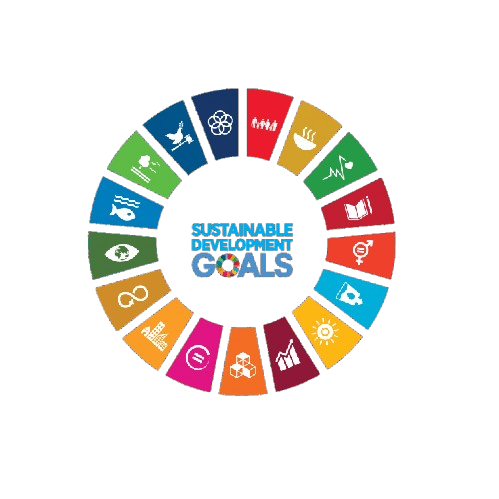
Aligned with UN Sustainable Development Goals
The conference's session tracks effectively support the following SDGs.


This track will explore the latest research on antimicrobial resistance among foodborne pathogens. It aims to identify emerging trends and their implications for public health and food safety.
SDG 3
SDG 4
SDG 6
This session will focus on the various methodologies employed in risk assessment related to food safety. Participants will discuss the effectiveness and challenges of these approaches in mitigating foodborne hazards.
SDG 3
SDG 9
SDG 12
This track will examine effective contamination control strategies within food production systems. Emphasis will be placed on innovative practices that enhance food safety and reduce microbial risks.
SDG 2
SDG 3
SDG 12
This session will address the importance of regulatory compliance in maintaining food safety standards. Experts will discuss the challenges and best practices for adhering to local and international regulations.
SDG 3
SDG 16
SDG 17
This track will delve into the public health implications of foodborne illnesses caused by antimicrobial-resistant pathogens. Discussions will focus on prevention strategies and health policy recommendations.
SDG 3
SDG 4
SDG 10
This session will highlight advanced microbial monitoring techniques used in food safety assessments. Participants will explore the role of technology in enhancing detection and control of microbial hazards.
SDG 3
SDG 9
SDG 12
This track will focus on preventive measures that can be implemented to enhance food safety management systems. The discussion will include case studies showcasing successful interventions.
SDG 3
SDG 4
SDG 12
This session will explore quality assurance practices that ensure food safety throughout the supply chain. Participants will share insights on maintaining high standards in food production and distribution.
SDG 2
SDG 3
SDG 12
This track will address the role of consumer awareness in promoting food safety. Discussions will focus on effective educational strategies to inform the public about foodborne risks and safe practices.
SDG 3
SDG 4
SDG 12
This session will showcase innovative technologies that enhance food safety practices. Participants will discuss the impact of these advancements on microbial monitoring and contamination control.
SDG 3
SDG 9
SDG 12
This track will provide a global perspective on the challenges posed by antimicrobial resistance in food systems. Experts will discuss international collaborations and strategies to combat this pressing issue.
SDG 3
SDG 17
SDG 16