
International Summit on Pediatric Dentistry and Oral Hygiene
ISPDOH
Official Invitation Letter Available
An official invitation letter will be provided upon successful registration for your participation in the conference.
Benefits of Registering as Listener
Access to All Conference Sessions
Plenary, keynote and parallel sessions
Networking Opportunities
Connect with global educators & researchers
Certificate of Participation
Digital certificate of participation
Invitation Letter Support
Official invitation letter after successful registration
Conference Kit / Digital Materials
E-proceedings & resource materials
Access to Keynote Sessions
Learn from leading experts & scholars
Conference Session Tracks
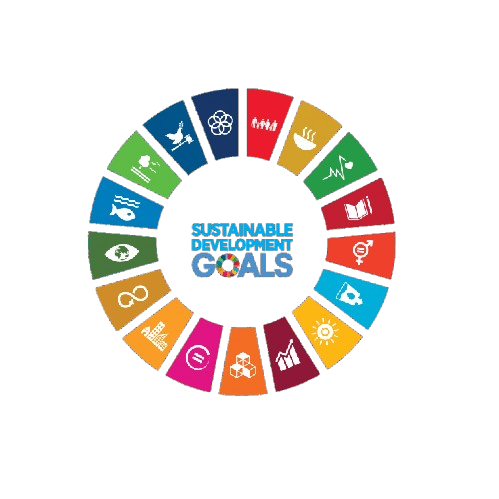
Aligned with UN Sustainable Development Goals
The conference's session tracks effectively support the following SDGs.

This track will explore the latest advancements in dental materials specifically designed for pediatric patients. Emphasis will be placed on biocompatibility, durability, and aesthetic considerations in the development of these materials.
SDG 3
SDG 4
This session will focus on effective preventive care strategies to combat dental caries in children. Discussions will include the role of fluoride, sealants, and parental education in promoting oral health.
SDG 3
SDG 4
This track will delve into various behavior management techniques employed in pediatric dental practice. Participants will learn about effective communication strategies and psychological approaches to reduce anxiety in young patients.
SDG 3
SDG 4
This session will address the challenges and solutions related to pain management in pediatric dentistry. Topics will include pharmacological and non-pharmacological approaches to ensure a comfortable experience for children.
SDG 3
SDG 4
This track will emphasize the importance of oral health education for children and their caregivers. Presentations will focus on effective educational strategies and resources to promote lifelong oral hygiene habits.
SDG 3
SDG 4
This session will explore the critical relationship between nutrition and oral health in children. Discussions will include dietary recommendations and the impact of sugar consumption on dental caries.
SDG 2
SDG 3
This track will provide insights into the clinical management of dental trauma in pediatric patients. Participants will learn about assessment, treatment protocols, and long-term care considerations.
SDG 3
SDG 4
This session will cover the various sedation techniques available for pediatric dental procedures. Emphasis will be placed on safety, efficacy, and the ethical considerations involved in sedation practices.
SDG 3
SDG 4
This track will focus on the unique considerations and challenges of orthodontic treatment in children. Discussions will include early intervention strategies and the impact of orthodontics on overall oral health.
SDG 3
SDG 4
This session will highlight recent research findings in the field of pediatric dentistry. Participants will have the opportunity to discuss innovative studies and their implications for clinical practice.
SDG 3
SDG 4
This track will explore common oral pathologies encountered in pediatric patients. Emphasis will be placed on diagnostic techniques, treatment options, and the importance of early intervention.
SDG 3
SDG 4