International Conference on Language Acquisition and Bilingualism
ICALB
Official Invitation Letter Available
An official invitation letter will be provided upon successful registration for your participation in the conference.
Benefits of Registering as Listener
Access to All Conference Sessions
Plenary, keynote and parallel sessions
Networking Opportunities
Connect with global educators & researchers
Certificate of Participation
Digital certificate of participation
Invitation Letter Support
Official invitation letter after successful registration
Conference Kit / Digital Materials
E-proceedings & resource materials
Access to Keynote Sessions
Learn from leading experts & scholars
Conference Session Tracks
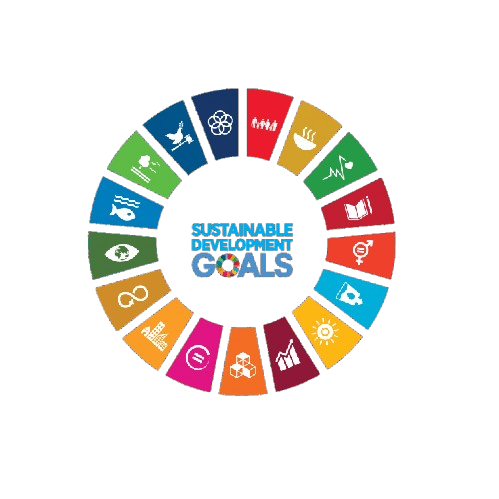
Aligned with UN Sustainable Development Goals
The conference's session tracks effectively support the following SDGs.

This track will explore various theoretical frameworks that underpin language acquisition processes. Contributions may include discussions on nativist, interactionist, and cognitive approaches to understanding how individuals acquire language.
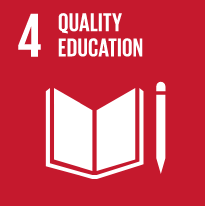
SDG 4
SDG 10
This session will examine the implications of bilingualism in various social and cultural contexts. Papers may address the cognitive, social, and educational outcomes of bilingual individuals across different communities.
SDG 4
SDG 10
This track focuses on the application of linguistic theories and methodologies in educational settings. Presentations will highlight innovative practices and research findings that enhance language teaching and learning.
SDG 4
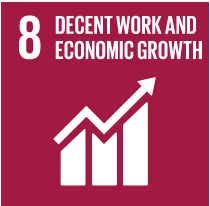
SDG 8
This session will investigate the relationship between multilingualism and personal or group identity. Contributions may explore how language use shapes and reflects cultural identities in multilingual societies.
SDG 10
SDG 16
This track will delve into the cognitive mechanisms involved in language learning and acquisition. Researchers are invited to present studies that illuminate the interplay between cognition and language development.
SDG 4
SDG 8
This session will focus on effective pedagogical strategies for teaching bilingual learners. Papers may discuss curriculum design, instructional methods, and assessment practices that support bilingual education.
SDG 4
SDG 10
This track will explore language development from infancy through adulthood. Contributions may include longitudinal studies and cross-sectional research that highlight critical periods and factors influencing language growth.
SDG 4
SDG 10
This session will examine the psychological aspects of language processing and comprehension. Researchers are encouraged to present findings that enhance our understanding of how language is processed in real-time.
SDG 4
SDG 8
This track will investigate how social factors influence language use and variation. Papers may address topics such as language attitudes, code-switching, and the impact of social networks on language practices.
SDG 4
SDG 10
This session will focus on the role of technology in facilitating language learning and acquisition. Contributions may include studies on digital tools, online resources, and the effectiveness of technology-enhanced language instruction.
SDG 4
SDG 9
This track will explore the implications of language policy and planning in contexts characterized by multilingualism. Papers may address the challenges and strategies involved in promoting linguistic diversity and equity.
SDG 4
SDG 10