
International Conference on Mental Health, Psychiatry and Psychological Wellbeing
ICMHPW
Official Invitation Letter Available
An official invitation letter will be provided upon successful registration for your participation in the conference.
Benefits of Registering as Listener
Access to All Conference Sessions
Plenary, keynote and parallel sessions
Networking Opportunities
Connect with global educators & researchers
Certificate of Participation
Digital certificate of participation
Invitation Letter Support
Official invitation letter after successful registration
Conference Kit / Digital Materials
E-proceedings & resource materials
Access to Keynote Sessions
Learn from leading experts & scholars
Conference Session Tracks
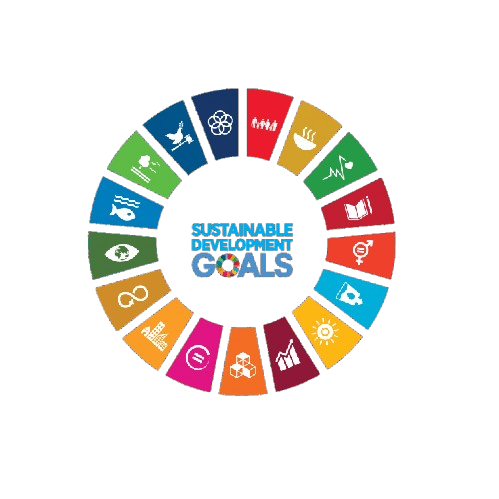
Aligned with UN Sustainable Development Goals
The conference's session tracks effectively support the following SDGs.




This track focuses on the latest advancements in clinical psychology practices and interventions. It aims to explore evidence-based approaches that enhance therapeutic outcomes for diverse populations.
SDG 3
SDG 4
This session addresses the unique psychiatric needs of individuals at different life stages, from childhood to late adulthood. Emphasis will be placed on tailored interventions and the integration of family dynamics in care.
SDG 3
SDG 4
This track examines the effectiveness of cognitive behavioral therapy in treating various mental health disorders. Participants will discuss innovative applications and adaptations of CBT in diverse clinical settings.
SDG 3
SDG 4
This session delves into the neurobiological underpinnings of mental health disorders. It aims to bridge the gap between neuroscience research and clinical practice to inform treatment strategies.
SDG 3
SDG 4
This track focuses on the specific mental health challenges faced by adolescents, including anxiety, depression, and behavioral issues. It will highlight effective intervention strategies and the role of schools and families in supporting youth.
SDG 3
SDG 4
This session explores the complex relationship between mental health and the legal system. Topics will include risk assessment, competency evaluations, and the treatment of offenders with mental health issues.
SDG 3
SDG 16
This track addresses the psychological impact of trauma and effective management strategies. It will focus on evidence-based interventions and the importance of a supportive environment in the recovery process.
SDG 3
SDG 16
This session examines the influence of social determinants on mental health and the implications for policy development. Discussions will center on creating equitable access to mental health services and community support systems.
SDG 3
SDG 10
This track highlights the role of psychological services in community-based mental health care. It will explore collaborative models of care that enhance accessibility and effectiveness of services.
SDG 3
SDG 10
This session focuses on identifying and disseminating best practices in mental health interventions. Participants will share successful case studies and innovative approaches to treatment and prevention.
SDG 3
SDG 10
This track emphasizes the critical role of nursing in psychiatric care and the integration of mental health into nursing education. Discussions will include strategies for enhancing nursing competencies in mental health settings.
SDG 3
SDG 4