International Conference on Subsurface Hydrology and Contaminant Transport
ICSHCT
Official Invitation Letter Available
An official invitation letter will be provided upon successful registration for your participation in the conference.
Benefits of Registering as Listener
Access to All Conference Sessions
Plenary, keynote and parallel sessions
Networking Opportunities
Connect with global educators & researchers
Certificate of Participation
Digital certificate of participation
Invitation Letter Support
Official invitation letter after successful registration
Conference Kit / Digital Materials
E-proceedings & resource materials
Access to Keynote Sessions
Learn from leading experts & scholars
Conference Session Tracks
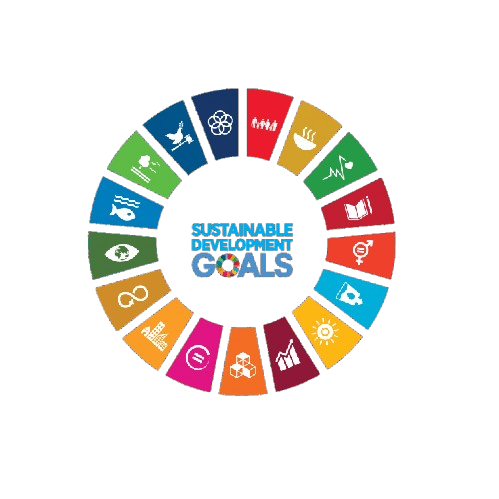
Aligned with UN Sustainable Development Goals
The conference's session tracks effectively support the following SDGs.


This track focuses on the latest methodologies and technologies in groundwater modeling, emphasizing their applications in predicting subsurface flow dynamics. Participants will explore innovative approaches to simulate aquifer processes and pollutant migration.
SDG 6
SDG 12
This session examines the physical and chemical processes that govern contaminant transport in subsurface environments. Discussions will include case studies highlighting the complexities of pollutant migration and its implications for groundwater quality.
SDG 3
SDG 6
This track addresses the assessment of aquifer vulnerability to contamination, integrating hydrogeological principles with environmental risk analysis. Participants will discuss methodologies for evaluating the susceptibility of groundwater resources to various contaminants.
SDG 6
SDG 15
This session explores the intricate interactions between soil and water and their influence on contaminant behavior in the subsurface. Research presented will highlight the significance of these interactions in understanding pollutant transport pathways.
SDG 3
SDG 6
This track delves into the development and application of numerical models to simulate subsurface flow and contaminant transport processes. Participants will share insights on model calibration, validation, and the challenges faced in real-world applications.
SDG 6
SDG 9
This session focuses on environmental assessment techniques and remediation strategies for contaminated groundwater systems. Discussions will include innovative approaches to restore aquifer quality and mitigate contamination risks.
SDG 6
SDG 15
This track emphasizes the importance of hydrological analysis in effective water resource management. Participants will present research on hydrological modeling, data integration, and decision-making processes for sustainable groundwater management.
SDG 6
SDG 11
This session addresses the challenges posed by emerging contaminants in groundwater systems, including pharmaceuticals and personal care products. Research will focus on detection methods, fate, and transport mechanisms of these pollutants.
SDG 3
SDG 12
This track presents cutting-edge techniques for monitoring groundwater quality, including remote sensing and in-situ measurement technologies. Participants will discuss the implications of these advancements for environmental management and policy.
SDG 6
SDG 9
This session examines the impacts of climate change on subsurface hydrology, including alterations in precipitation patterns and their effects on groundwater recharge. Research will highlight adaptive management strategies in response to these changes.
SDG 13
SDG 15
This track promotes interdisciplinary collaboration in subsurface hydrology and contaminant transport research. Participants will share successful case studies and frameworks for integrating diverse scientific perspectives to address complex hydrological challenges.
SDG 17