International Conference on Islamic Political Economy and Policy
ICIPEPY
Official Invitation Letter Available
An official invitation letter will be provided upon successful registration for your participation in the conference.
Benefits of Registering as Listener
Access to All Conference Sessions
Plenary, keynote and parallel sessions
Networking Opportunities
Connect with global educators & researchers
Certificate of Participation
Digital certificate of participation
Invitation Letter Support
Official invitation letter after successful registration
Conference Kit / Digital Materials
E-proceedings & resource materials
Access to Keynote Sessions
Learn from leading experts & scholars
Conference Session Tracks
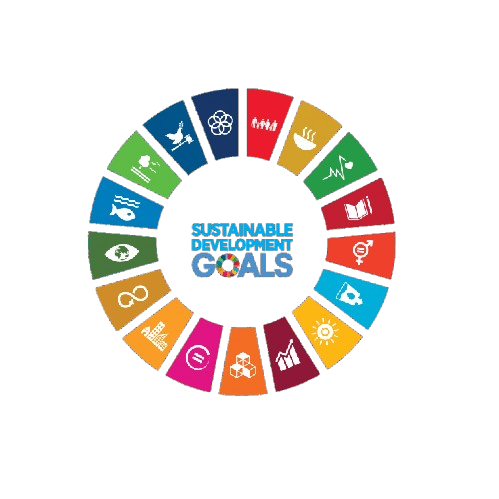
Aligned with UN Sustainable Development Goals
The conference's session tracks effectively support the following SDGs.
This track explores the theoretical underpinnings of Islamic political economy, focusing on its distinct principles and methodologies. Papers may analyze the integration of Islamic values within economic frameworks and their implications for policy-making.
SDG 8
SDG 9
This session examines the role of governance in Islamic societies, emphasizing the interplay between religious principles and political authority. Contributions may address contemporary challenges and best practices in Islamic governance.
SDG 16
This track focuses on the principles of Islamic finance, including risk-sharing, ethical investment, and prohibition of interest. Papers should discuss innovative financial products and their impact on economic development.
SDG 8
SDG 9
This session investigates the dynamics of trade and globalization within Islamic economies, highlighting opportunities and challenges. Contributions may explore the effects of global trade policies on local Islamic markets.
SDG 8
SDG 10
This track delves into the intersection of Islamic law (Sharia) and economic policy, examining how legal frameworks influence economic decisions. Papers may analyze case studies of policy implementations across different Islamic jurisdictions.
SDG 16
This session addresses development strategies tailored to Islamic societies, focusing on sustainable practices and community empowerment. Contributions should highlight successful initiatives and their socio-economic impacts.
SDG 1
SDG 8
This track explores the ethical dimensions of economic behavior in Islamic contexts, emphasizing the moral responsibilities of individuals and institutions. Papers may discuss the role of ethics in shaping economic policies and practices.
SDG 16
This session examines the cultural factors that influence Islamic political economy, including traditions, values, and social norms. Contributions may analyze how cultural contexts shape economic policies and practices.
SDG 4
SDG 16
This track invites discussions on global economic issues from an Islamic perspective, including poverty, inequality, and environmental sustainability. Papers should propose solutions grounded in Islamic teachings and principles.
SDG 1
SDG 10
This session focuses on the role of innovation and entrepreneurship within the Islamic finance sector. Contributions may explore new business models and their potential to drive economic growth in Islamic communities.
SDG 8
SDG 9
This track offers a comparative analysis of Islamic and conventional economic systems, highlighting their similarities and differences. Papers should assess the effectiveness of each system in addressing contemporary economic challenges.
SDG 8
SDG 10