
International Conference on Geography of Social Inequality
ICGESI
Official Invitation Letter Available
An official invitation letter will be provided upon successful registration for your participation in the conference.
Benefits of Registering as Listener
Access to All Conference Sessions
Plenary, keynote and parallel sessions
Networking Opportunities
Connect with global educators & researchers
Certificate of Participation
Digital certificate of participation
Invitation Letter Support
Official invitation letter after successful registration
Conference Kit / Digital Materials
E-proceedings & resource materials
Access to Keynote Sessions
Learn from leading experts & scholars
Conference Session Tracks
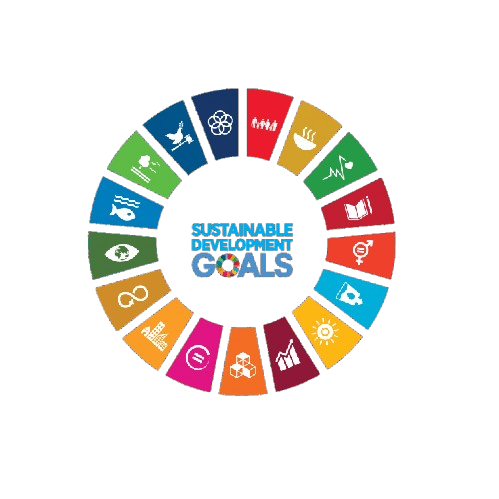
Aligned with UN Sustainable Development Goals
The conference's session tracks effectively support the following SDGs.


This track explores the spatial dimensions of social inequality, examining how geographic factors influence disparities in wealth, access to resources, and social justice. Contributions may focus on case studies, theoretical frameworks, or empirical research that highlights the interplay between geography and inequality.
SDG 10
SDG 16
SDG 1
This session invites papers that analyze the relationship between urbanization processes and social justice outcomes. Researchers are encouraged to investigate how urban development shapes access to services, housing, and opportunities for marginalized communities.
SDG 11
SDG 10
SDG 8
This track focuses on the effects of migration on social inequality, including the challenges faced by migrants and the implications for host communities. Papers may address issues such as integration, identity, and the socio-economic impacts of migration flows.
SDG 10
SDG 16
SDG 1
This session examines how geographic contexts shape individual and collective identities, particularly in relation to social inequality. Contributions should explore the intersections of place, identity, and social justice, highlighting the role of geography in shaping experiences of belonging.
SDG 10
SDG 16
SDG 1
This track investigates the geographic dimensions of poverty, focusing on how location influences economic opportunities and quality of life. Papers may analyze regional disparities, policy responses, and innovative solutions to address poverty in different contexts.
SDG 1
SDG 10
SDG 8
This session invites discussions on the role of governance and policy in addressing social inequality. Researchers are encouraged to present case studies and analyses of effective strategies that have been implemented to mitigate disparities across various geographic settings.
SDG 16
SDG 10
SDG 1
This track explores the geographic variations in educational access and quality, and their implications for social inequality. Papers should examine how education policies and practices can be leveraged to promote equity and social mobility.
SDG 4
SDG 10
SDG 1
This session focuses on the intersections of environmental issues and social inequality, emphasizing how geographic factors contribute to unequal exposure to environmental hazards. Contributions may include case studies, theoretical discussions, or policy analyses related to environmental justice.
SDG 13
SDG 10
SDG 16
This track examines the role of cultural geography in shaping social inequalities, exploring how cultural practices and representations influence perceptions and experiences of inequality. Papers may address topics such as cultural identity, heritage, and the impact of globalization.
SDG 10
SDG 16
SDG 4
This session investigates the geographic dimensions of health disparities, focusing on how location affects health outcomes and access to healthcare services. Researchers are encouraged to explore the implications of these disparities for social inequality and policy development.
SDG 3
SDG 10
SDG 16
This track invites contributions that utilize innovative mapping techniques to visualize and analyze social inequality. Papers may focus on the use of geographic information systems (GIS), participatory mapping, or other methodologies that enhance our understanding of spatial inequalities.
SDG 9
SDG 10
SDG 16