International Conference on Coastal Hydrology and Saltwater Intrusion Modeling
ICCHSIM
Official Invitation Letter Available
An official invitation letter will be provided upon successful registration for your participation in the conference.
Benefits of Registering as Listener
Access to All Conference Sessions
Plenary, keynote and parallel sessions
Networking Opportunities
Connect with global educators & researchers
Certificate of Participation
Digital certificate of participation
Invitation Letter Support
Official invitation letter after successful registration
Conference Kit / Digital Materials
E-proceedings & resource materials
Access to Keynote Sessions
Learn from leading experts & scholars
Conference Session Tracks
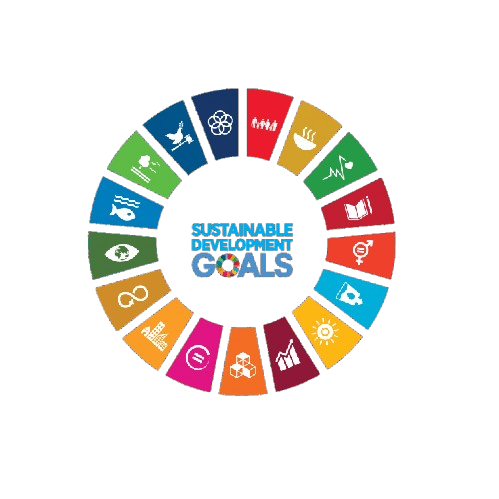
Aligned with UN Sustainable Development Goals
The conference's session tracks effectively support the following SDGs.

This track focuses on the complex dynamics between seawater and freshwater systems in coastal environments. It aims to explore the mechanisms driving these interactions and their implications for coastal hydrology.
SDG 6
SDG 14
This session will delve into advanced modeling techniques for predicting saltwater intrusion in coastal aquifers. Participants will discuss the efficacy of various models and their applications in real-world scenarios.
SDG 6
SDG 9
This track addresses the hydrological processes within estuarine systems and their management challenges. Emphasis will be placed on sustainable practices to balance ecological health and human activities.
SDG 6
SDG 11
This session will examine the processes leading to groundwater salinization in coastal regions. Discussions will include both natural and anthropogenic factors contributing to this critical issue.
SDG 6
SDG 15
This track will focus on the application of hydrodynamic models to understand coastal water movement and its implications for saltwater intrusion. Participants will share insights on model calibration and validation.
SDG 6
SDG 9
This session will explore the impact of tidal fluctuations on the hydrology of coastal aquifers. The relationship between tidal dynamics and freshwater-saltwater interfaces will be a key focus.
SDG 6
SDG 13
This track aims to evaluate methodologies for assessing coastal water balance, including inputs, outputs, and storage changes. Participants will discuss the implications of water balance studies for resource management.
SDG 6
SDG 12
This session will investigate the environmental consequences of sea-level rise on coastal hydrology and ecosystems. The focus will be on adaptive strategies to mitigate these impacts.
SDG 13
SDG 15
This track will address methods for assessing the vulnerability of coastal aquifers to saltwater intrusion. Discussions will include risk factors and management strategies to protect these vital resources.
SDG 6
SDG 15
This session will explore innovative strategies for managing coastal resources in the face of hydrological challenges. Emphasis will be placed on integrating scientific research with policy-making.
SDG 6
SDG 17
This track will focus on the dynamics of brackish water intrusion in coastal areas and its implications for freshwater availability. Participants will discuss case studies and modeling approaches to better understand these processes.
SDG 6
SDG 15