
International Conference on Weather Hazards and Disaster Preparedness
ICWHDPP
Official Invitation Letter Available
An official invitation letter will be provided upon successful registration for your participation in the conference.
Benefits of Registering as Listener
Access to All Conference Sessions
Plenary, keynote and parallel sessions
Networking Opportunities
Connect with global educators & researchers
Certificate of Participation
Digital certificate of participation
Invitation Letter Support
Official invitation letter after successful registration
Conference Kit / Digital Materials
E-proceedings & resource materials
Access to Keynote Sessions
Learn from leading experts & scholars
Conference Session Tracks
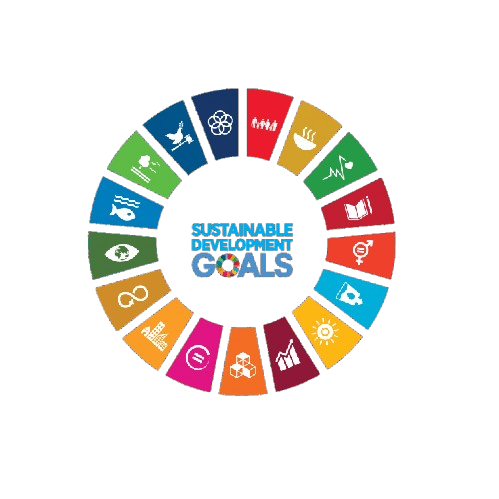
Aligned with UN Sustainable Development Goals
The conference's session tracks effectively support the following SDGs.

This track focuses on the latest developments in meteorological modeling techniques and their applications in predicting extreme weather events. Participants will explore the integration of data from various sources to enhance the accuracy of weather forecasts.
SDG 13
SDG 9
SDG 11
This session addresses methodologies for assessing flood risks and developing effective management strategies. Discussions will include case studies on successful flood mitigation efforts and the role of technology in risk assessment.
SDG 11
SDG 13
SDG 1
This track delves into the dynamics of storm surges and their impacts on coastal communities. Researchers will present findings on modeling storm surge events and strategies for enhancing community resilience.
SDG 11
SDG 13
SDG 9
This session examines the role of emergency management in responding to extreme weather events. Topics will include best practices for coordination among agencies and the importance of public communication during crises.
SDG 11
SDG 16
SDG 13
This track highlights innovations in early warning systems designed to alert communities about impending meteorological hazards. Participants will discuss the effectiveness of these systems in reducing disaster impacts.
SDG 11
SDG 13
SDG 9
This session focuses on the methodologies used for hazard assessment and the creation of hazard maps. Emphasis will be placed on the integration of geographic information systems (GIS) in hazard mapping.
SDG 11
SDG 9
SDG 13
This track explores risk mitigation strategies specifically tailored for severe storm events. Presentations will cover policy frameworks and community-based approaches to enhance preparedness.
SDG 11
SDG 13
SDG 1
This session addresses the intersection of public safety and meteorological threats, focusing on strategies to protect vulnerable populations. Discussions will include the role of community engagement in enhancing safety measures.
SDG 11
SDG 16
SDG 3
This track examines predictive techniques for tornadoes and cyclones, emphasizing advancements in technology and research. Participants will share insights on improving forecasting accuracy and response strategies.
SDG 11
SDG 13
SDG 9
This session focuses on the impacts of heatwaves on public health and infrastructure, as well as adaptation strategies to mitigate these effects. Researchers will present findings on community resilience and policy recommendations.
SDG 3
SDG 11
SDG 13
This track explores the risk management and preparedness strategies for landslides in vulnerable regions. Discussions will include the role of monitoring systems and community education in reducing landslide risks.
SDG 11
SDG 13
SDG 1