
International Conference on Functional Foods, Nutrition and Obesity
ICFFNO
Official Invitation Letter Available
An official invitation letter will be provided upon successful registration for your participation in the conference.
Benefits of Registering as Listener
Access to All Conference Sessions
Plenary, keynote and parallel sessions
Networking Opportunities
Connect with global educators & researchers
Certificate of Participation
Digital certificate of participation
Invitation Letter Support
Official invitation letter after successful registration
Conference Kit / Digital Materials
E-proceedings & resource materials
Access to Keynote Sessions
Learn from leading experts & scholars
Conference Session Tracks
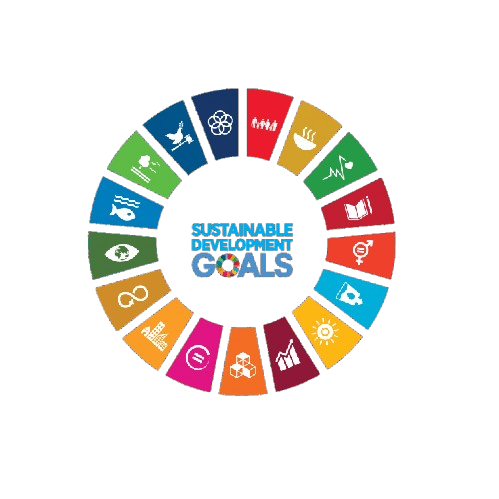
Aligned with UN Sustainable Development Goals
The conference's session tracks effectively support the following SDGs.

This track focuses on the critical role of nutrition in the growth and development of children. It will explore evidence-based strategies for improving pediatric dietary practices and addressing obesity in youth.
SDG 2
SDG 3
SDG 4
This session will examine the impact of functional foods on health outcomes, particularly in relation to chronic diseases. Researchers will present findings on bioactive compounds and their potential benefits in disease prevention.
SDG 3
SDG 4
SDG 9
This track will highlight innovative nutritional interventions aimed at managing obesity across various populations. Discussions will include the effectiveness of dietary modifications and lifestyle changes in weight management.
SDG 2
SDG 3
SDG 4
This session will delve into the latest advancements in food science and technology that enhance nutritional quality. Topics will include food processing techniques and the development of healthier food products.
SDG 2
SDG 3
SDG 12
This track will focus on public health initiatives designed to combat obesity at the community level. Presentations will cover policy frameworks, educational campaigns, and community-based interventions.
SDG 3
SDG 4
SDG 17
This session will explore the role of nutrition in managing chronic diseases such as diabetes, hypertension, and cardiovascular conditions. Experts will discuss dietary guidelines and personalized nutrition approaches.
SDG 2
SDG 3
SDG 4
This track will investigate effective nutrition education programs and their impact on behavior change. Presenters will share insights into methodologies that promote healthier eating habits.
SDG 3
SDG 4
SDG 12
This session will address the complexities of obesity care, including clinical practices and patient management strategies. Discussions will focus on overcoming barriers to effective obesity treatment.
SDG 3
SDG 4
SDG 10
This track will examine the intricate relationship between metabolism and nutrition, highlighting recent research findings. Topics will include metabolic pathways and their implications for dietary recommendations.
SDG 2
SDG 3
SDG 4
This session will explore the role of nutrition policy in shaping public health outcomes. Experts will discuss advocacy strategies aimed at promoting healthier food environments and policies.
SDG 3
SDG 4
SDG 17
This track will showcase innovative food products and initiatives designed to improve community health. Presentations will highlight collaborations between food scientists, health professionals, and policymakers.
SDG 2
SDG 3
SDG 11