International Conference on Applied Linguistics and Language Teaching
ICALLT
Official Invitation Letter Available
An official invitation letter will be provided upon successful registration for your participation in the conference.
Benefits of Registering as Listener
Access to All Conference Sessions
Plenary, keynote and parallel sessions
Networking Opportunities
Connect with global educators & researchers
Certificate of Participation
Digital certificate of participation
Invitation Letter Support
Official invitation letter after successful registration
Conference Kit / Digital Materials
E-proceedings & resource materials
Access to Keynote Sessions
Learn from leading experts & scholars
Conference Session Tracks
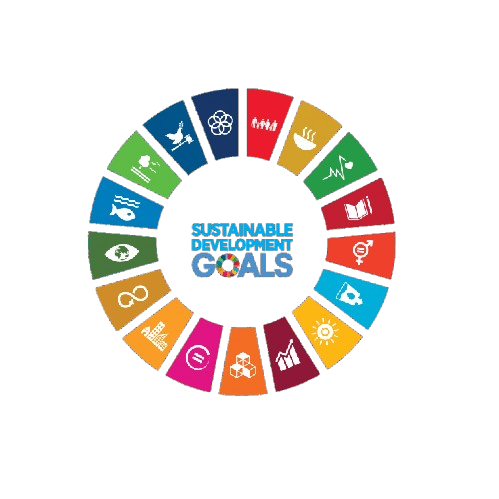
Aligned with UN Sustainable Development Goals
The conference's session tracks effectively support the following SDGs.

This track focuses on novel methodologies and frameworks in applied linguistics that enhance language acquisition and teaching. Participants are encouraged to present research that challenges traditional paradigms and explores new avenues for linguistic inquiry.
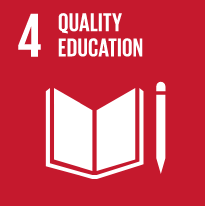
SDG 4
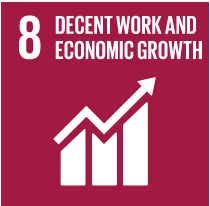
SDG 8
This session invites contributions that examine effective pedagogical strategies in language teaching across various educational contexts. Emphasis will be placed on evidence-based practices that foster learner engagement and success.
SDG 4
SDG 8
This track addresses the complexities of designing and implementing curricula that meet the diverse needs of language learners. Presenters will share insights on integrating innovative content and assessment methods into language programs.
SDG 4
SDG 8
Focusing on the development of communication skills, this session seeks to explore how language instruction can enhance interpersonal and intercultural communication. Research on the impact of communicative competence on language proficiency will be highlighted.
SDG 4
SDG 10
This track aims to showcase current practices and theoretical perspectives in Teaching English to Speakers of Other Languages (TESOL). Participants are encouraged to discuss challenges and successes in TESOL contexts worldwide.
SDG 4
SDG 8
This session will explore emerging methodologies in language learning, including technology-enhanced and experiential learning approaches. Contributions should highlight innovative practices that promote effective language acquisition.
SDG 4
SDG 9
This track examines the intersection of culture and language education, emphasizing the importance of cultural competence in teaching practices. Presenters will discuss strategies for integrating cultural elements into language curricula.
SDG 4
SDG 10
This session invites discussions on assessment techniques and their effectiveness in measuring language proficiency and learning outcomes. Innovative approaches to formative and summative assessment will be a key focus.
SDG 4
SDG 8
This track explores the integration of technology in language education, including digital tools and resources that enhance teaching and learning experiences. Presenters will share research on the effectiveness of technology in fostering language skills.
SDG 4
SDG 9
This session addresses the implications of multilingualism in educational settings and the role of language policy in shaping language teaching practices. Contributions should focus on the challenges and opportunities presented by multilingual contexts.
SDG 4
SDG 10
This track highlights the importance of continuous professional development for language educators. Participants are encouraged to share best practices and research on teacher training programs that enhance pedagogical skills.
SDG 4
SDG 8