
International Conference on Environmental Chemistry and Toxicology
ICECT
Official Invitation Letter Available
An official invitation letter will be provided upon successful registration for your participation in the conference.
Benefits of Registering as Listener
Access to All Conference Sessions
Plenary, keynote and parallel sessions
Networking Opportunities
Connect with global educators & researchers
Certificate of Participation
Digital certificate of participation
Invitation Letter Support
Official invitation letter after successful registration
Conference Kit / Digital Materials
E-proceedings & resource materials
Access to Keynote Sessions
Learn from leading experts & scholars
Conference Session Tracks
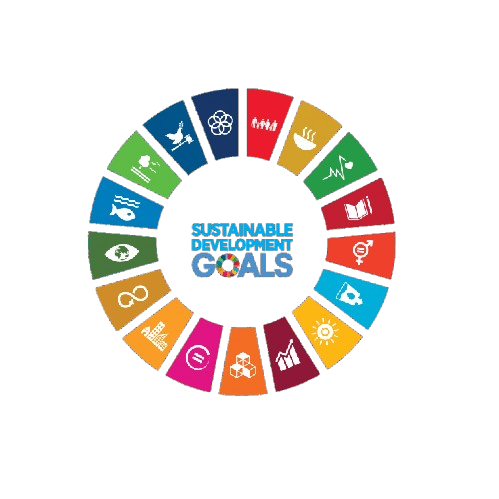
Aligned with UN Sustainable Development Goals
The conference's session tracks effectively support the following SDGs.


This track will explore recent breakthroughs in environmental chemistry that contribute to understanding chemical interactions in ecosystems. Emphasis will be placed on innovative methodologies and their implications for environmental health.
SDG 3
SDG 4
This session will focus on the latest research in toxicology related to environmental contaminants. Presentations will cover risk assessment methodologies and their application in public health protection.
SDG 3
SDG 11
This track will discuss the importance of chemical safety in the context of environmental regulations. Topics will include compliance strategies and the role of policy in mitigating chemical risks.
SDG 9
SDG 16
This session will highlight innovative technologies for pollution control and remediation. Researchers will present case studies demonstrating the effectiveness of these technologies in various environmental contexts.
SDG 6
SDG 11
This track will examine the principles of green chemistry and their application in promoting sustainable practices. Discussions will focus on the development of eco-friendly chemical processes and products.
SDG 12
SDG 13
This session will cover advanced techniques for monitoring environmental pollutants and assessing their impact on health. Emphasis will be placed on the integration of technology in environmental surveillance.
SDG 3
SDG 11
This track will delve into methodologies for assessing chemical risks to human health and the environment. Presentations will highlight case studies and best practices in risk management.
SDG 3
SDG 16
This session will showcase cutting-edge research in chemistry aimed at addressing environmental challenges. Topics will include novel chemical compounds and their potential applications in environmental protection.
SDG 9
SDG 12
This track will explore the role of sustainable chemistry in industrial processes and its impact on reducing environmental footprints. Case studies will illustrate successful implementations of sustainable practices in various sectors.
SDG 9
SDG 12
This session will focus on the latest analytical techniques used in environmental chemistry. Researchers will present findings on the detection and quantification of pollutants in various matrices.
SDG 3
SDG 6
This track will address the intersection of environmental toxicology and public health. Discussions will focus on the implications of chemical exposure on community health and strategies for risk communication.
SDG 3
SDG 11