
International Conference on Indigenous Knowledge and Heritage in Asia
ICIKHA
Official Invitation Letter Available
An official invitation letter will be provided upon successful registration for your participation in the conference.
Benefits of Registering as Listener
Access to All Conference Sessions
Plenary, keynote and parallel sessions
Networking Opportunities
Connect with global educators & researchers
Certificate of Participation
Digital certificate of participation
Invitation Letter Support
Official invitation letter after successful registration
Conference Kit / Digital Materials
E-proceedings & resource materials
Access to Keynote Sessions
Learn from leading experts & scholars
Conference Session Tracks
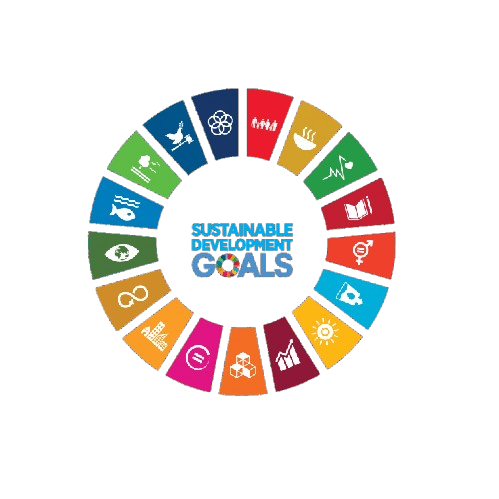
Aligned with UN Sustainable Development Goals
The conference's session tracks effectively support the following SDGs.

This track explores the integration of indigenous knowledge systems in promoting environmental sustainability across Asia. It aims to highlight traditional ecological practices and their relevance in contemporary environmental governance.
SDG 13
SDG 15
Focusing on the role of oral traditions, this track examines how storytelling shapes cultural identity among indigenous communities. It seeks to understand the transmission of knowledge and values through oral narratives.
SDG 4
This session addresses the significance of sacred landscapes in the context of heritage management. It aims to discuss strategies for preserving these culturally important sites while respecting indigenous perspectives.
SDG 11
SDG 15
This track investigates the role of traditional practices in fostering community resilience among indigenous populations. It emphasizes the importance of cultural heritage in adapting to social and environmental changes.
SDG 11
SDG 16
Exploring the intersection of folklore and identity, this session examines how traditional stories and myths contribute to the formation of individual and collective identities. It aims to highlight the dynamic nature of folklore in contemporary society.
SDG 4
This track focuses on archaeological research that sheds light on indigenous heritage and historical practices. It aims to discuss the implications of archaeological findings for understanding contemporary indigenous identities.
SDG 11
SDG 16
This session addresses the challenges and opportunities of cultural preservation in an era of globalization. It seeks to explore innovative approaches that indigenous communities are employing to safeguard their heritage.
SDG 11
SDG 16
Focusing on the significance of rituals, this track examines how these practices foster community cohesion among indigenous groups. It aims to highlight the social and cultural functions of rituals in maintaining group identity.
SDG 16
This session explores the role of storytelling in the transmission of cultural knowledge and values among indigenous peoples. It aims to discuss the pedagogical aspects of storytelling in preserving heritage.
SDG 4
This track investigates the integration of indigenous knowledge into local governance frameworks. It aims to highlight successful case studies where traditional practices inform policy-making and community development.
SDG 16
SDG 17
This session examines sustainable practices rooted in indigenous knowledge systems across Asia. It aims to showcase how these practices contribute to environmental stewardship and community well-being.
SDG 12
SDG 15