
International Forum on Clinical Medicine and Surgical Innovation
IFCMSI
Official Invitation Letter Available
An official invitation letter will be provided upon successful registration for your participation in the conference.
Benefits of Registering as Listener
Access to All Conference Sessions
Plenary, keynote and parallel sessions
Networking Opportunities
Connect with global educators & researchers
Certificate of Participation
Digital certificate of participation
Invitation Letter Support
Official invitation letter after successful registration
Conference Kit / Digital Materials
E-proceedings & resource materials
Access to Keynote Sessions
Learn from leading experts & scholars
Conference Session Tracks
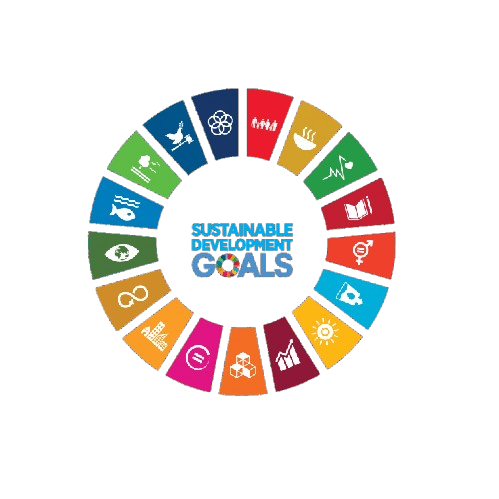
Aligned with UN Sustainable Development Goals
The conference's session tracks effectively support the following SDGs.


This track will explore the latest techniques and technologies in minimally invasive surgical procedures. Emphasis will be placed on patient outcomes, recovery times, and the integration of innovative tools.
SDG 3
SDG 4
This session will focus on the role of robotic systems in enhancing surgical precision and efficiency. Discussions will include case studies and the impact on various surgical specialties.
SDG 3
SDG 9
This track will address strategies for optimizing perioperative care to improve patient safety and outcomes. Topics will include risk assessment, management protocols, and interdisciplinary collaboration.
SDG 3
SDG 4
This session will delve into the latest advancements in trauma management and surgical interventions. Participants will discuss evidence-based practices and innovative approaches to trauma care.
SDG 3
SDG 16
This track will highlight the unique challenges faced in pediatric surgical care and the innovative solutions being developed. Emphasis will be placed on surgical techniques and the importance of tailored approaches for children.
SDG 3
SDG 4
This session will explore the ethical implications and innovative practices in transplant surgery. Discussions will include donor-recipient matching, surgical techniques, and post-operative care.
SDG 3
SDG 16
This track will examine the latest trends in cardiothoracic surgery, including surgical techniques and patient management strategies. Participants will share insights on improving surgical outcomes and quality of care.
SDG 3
SDG 9
This session will focus on the advancements in plastic surgery, including reconstructive and aesthetic procedures. Discussions will include innovative techniques and patient-centered care.
SDG 3
SDG 10
This track will cover the latest developments in orthopedic surgical techniques and technologies. Emphasis will be placed on minimally invasive approaches and improving patient recovery.
SDG 3
SDG 9
This session will address the critical aspects of emergency surgery, including protocols and innovative practices. Participants will discuss case management and the integration of technology in emergency settings.
SDG 3
SDG 9
This track will focus on the importance of surgical education and research in advancing clinical practice. Discussions will include innovative training methods and the role of clinical trials in surgical innovation.
SDG 3
SDG 4